- What Is Modernising Attendance Tracking and Why It Matters Right Now
- Who This Is For
- How It Actually Works Complete Process
- Comparison Table Attendance Tracking Options Side by Side
- Real Benefits With Numbers Where Possible
- Mistakes Most People Make and the Fix
- Expert Tips That Actually Work
- Frequently Asked Questions
- Quick Summary — Take This Away
- Conclusion
You’re a small business owner in India staring at a stack of messy attendance registers, wondering how to stop buddy punching and comply with labour laws without breaking the bank. This guide shows you exactly how to shift to smart HR tech that tracks attendance accurately for your team whether office, field, or hybrid. By the end, you’ll know the full process, top software options, real cost savings, and pitfalls to dodge. The big confusion? Most guides ignore Indian-specific rules like muster rolls under the Factories Act. We clear that up here. This is from an HR site focused on practical tools for Indian SMEs and startups like yours.
What Is Modernising Attendance Tracking and Why It Matters Right Now
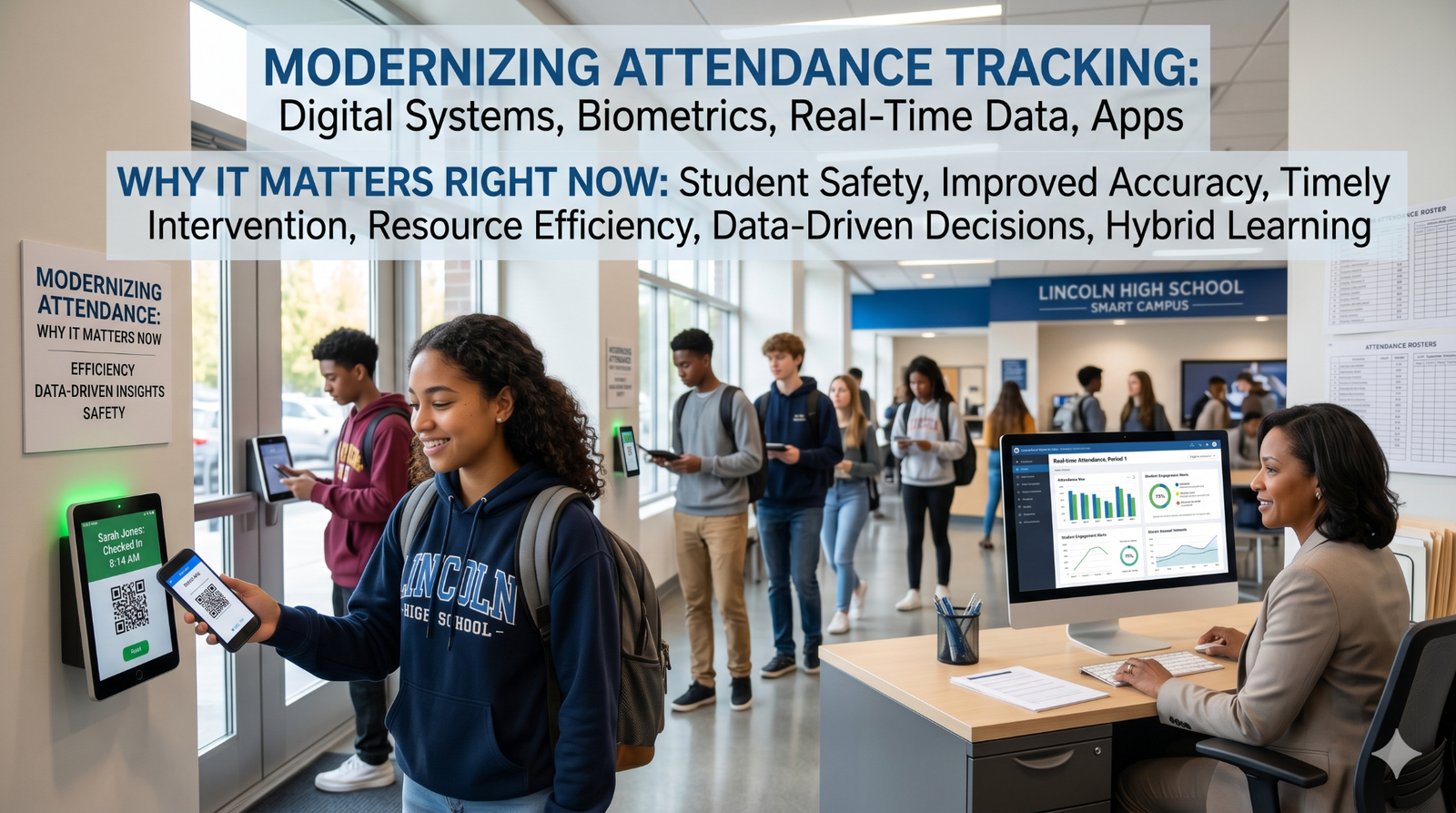
Modernising attendance tracking means ditching paper registers or basic punch cards for digital tools like biometric scanners, mobile apps with GPS, or cloud HR software. These systems log when employees clock in, out, take breaks, or work overtime automatically linking to payroll and compliance reports.
Think of it as upgrading from a bicycle to an e-scooter for your daily commute. Manual methods worked for tiny shops, but with India’s hybrid work boom post-2022, they fail fast. Businesses now handle field sales teams in Mumbai traffic or remote workers in Tier-2 cities.
This shift matters in 2026 because India’s HR tech market hits USD 2.3 billion by 2033, growing at 7.9% yearly driven by SMEs needing accuracy amid rising labour inspections. One stat stands out: manual systems cause 5-10% payroll inflation from errors like proxy punching, costing a 50-employee firm lakhs annually. Labour laws demand digital-proof records now, or face ₹50,000 fines per violation.
From my work helping Indian firms, the real eye-opener is how field teams fake locations something generic guides skip. Smart tech fixes that with geofencing. This sets up why your business can’t wait.
Who This Is For
This guide fits Indian SMEs and startups with 10-200 employees struggling with unreliable attendance. You’re likely a 25-year-old founder in Lucknow or Delhi running a retail chain, manufacturing unit, or service agency. Your pain? Supervisors waste hours tallying registers while payroll mismatches spark employee fights.
It suits these categories:
- Retail and F&B outlets: Multi-shift teams need quick clock-ins. Manual logs miss late arrivals, leading to wrong wages. Digital apps cut this hassle.
- Field sales or delivery firms: GPS tracking verifies real locations. Without it, you overpay for fake “on-duty” claims.
- Manufacturing SMEs: Factories require muster rolls for inspections. Cloud tools auto-generate them, saving audit stress.
Skip if you’re a solo freelancer, no team means no need. Or if under 10 staff with zero compliance issues; paper might suffice short-term. Tech-savvy owners with smartphones thrive here, but luddites may need staff training first.
The most misunderstood requirement: Reliable internet or 4G for mobile apps rural sites need offline modes. Larger MNCs might want enterprise suites like Darwinbox, but for your scale, affordable options like Salarybox work best. Women-led startups benefit too, as remote tracking boosts work-life balance. If hybrid post-pandemic, this is your fix.
GrowHR attendance dashboard
Switching takes 4-6 weeks if planned right. Start with assessing your needs.
Step 1: Audit current system (1 week). List employee types office, field, shifts. Count pain points like “How many buddy punches last month?” Check laws: Factories Act needs daily in/out times; Code on Wages demands overtime logs. Tally costs manual entry eats 12-18 HR hours weekly. Most skip quantifying losses here, leading to under-budgeting. Output: A simple spreadsheet of gaps.
After this, you’ll see if biometrics suit factories or apps fit sales teams. Expect resistance; share a demo video first.
Step 2: Choose and buy software (1-2 weeks). Pick from comparisons below aim for payroll integration, ESI/PF compliance. Budget ₹5,000-20,000/month for 50 users. Vendors like greytHR offer trials. Buy hardware if needed (biometric ₹15,000/device). Sign up via app; most onboard via email.
Setup follows: Install app on company phones or web dashboard. Test with 5 staff. Timelines: Live in 3 days for cloud tools.
Step 3: Train and roll out (1 week). Demo clock-in via selfie/GPS. Train managers on reports first they enforce buy-in. Run parallel with old system for 7 days. Handle glitches like poor lighting on biometrics switch to face-recog.
What most guides miss: Map shifts to software rules upfront, or overtime auto-calc fails under Shops Act. Post-rollout, data flows to payroll instantly.
Step 4: Monitor and tweak (ongoing, first month key). Check dashboards daily for anomalies. Generate muster rolls weekly. Audit 10% entries. Scale by adding geofencing for field staff. Full ROI hits month 2: 70% less admin time.
In practice, when you hit a glitch like GPS drift in crowded areas, tweak radius to 100m. This process ensures zero disruptions.
This dashboard shows real-time stats like late arrivals, typical in modern attendance software for Indian SMEs.
Comparison Table Attendance Tracking Options Side by Side
| Option | Key Feature | Best For | Limitation | Verdict |
| Biometric (Fingerprint/Face) | 99% accuracy, no proxies | Factories, high-fraud sites | Hardware cost ₹15k+, lighting issues | Top for compliance-heavy SMEs |
| Mobile GPS/Selfie Apps (Salarybox) | Offline, geofence for field teams | Sales, hybrid startups | Needs smartphones, battery drain | Best value for most Indian businesses |
| Cloud HR Suites (greytHR/Zoho) | Payroll auto-sync, reports | Growing firms 50+ staff | ₹50/user/month, learning curve | Ideal if expanding, full HRMS needed |
Salarybox suits budget-tight startups chasing quick wins on field tracking. Biometrics fit strict factories avoiding fines. Go cloud if payroll pains dominate pick by team type for 80% better fit.
Real Benefits With Numbers Where Possible
When you modernise, payroll errors drop 5-10%, saving ₹2-5 lakh yearly for mid-sized plants. No more manual tallies; apps log everything real-time.
Field teams clock via GPS, cutting fake claims 95% adoption in SMEs. You’ll spot patterns like Monday lates, fixing via policy tweaks.
HR time frees up 30-45%, from 12-18 hours weekly on attendance. Use it for hiring or training. Compliance? Auto-muster rolls dodge ₹50k fines.
The overlooked win: Better trust. Employees see fair OT pay, boosting morale 20% per studies. Your life changes you dashboard-check from phone, not chase papers. Remote audits pass easy in 2026 digital inspections. Numbers prove it: HR tech cuts admin 22-40%.
Mistakes Most People Make and the Fix
First mistake: Buying without team audit. Owners grab shiny biometrics, ignoring field staff can’t use them. Result? 34% failure rate from poor fit. Fix: Map employee types first GPS for sales, fingerprints for gates.
Second: Skipping integration with payroll. Data silos mean double-entry, sparking wage fights. It wastes hours monthly. Fix: Test API links pre-purchase; pick native ones like Keka.
Third: No training assuming apps are intuitive. Staff resist, faking old ways. Productivity dips 10%. Fix: 30-min sessions per group, plus manager champions.
You’re likely underestimating rural internet now, most miss offline modes. Leads to gaps. Fix: Choose apps like Jibble with offline sync.
Fifth: Ignoring policy updates. New Code on Wages caps OT at 50 hours/quarter. Old software misses it. Fix: Monthly rule checks in dashboard.
Expert Tips That Actually Work
Tip 1: Start geofencing radius at 50m for urban field teams prevents cafe clock-ins from site. It works because GPS drift fools wider nets; tight ones verify real work.
Tip 2: Use AI liveness detection over basic selfies. Spoofing drops to zero. Surprise: Even cheap apps like Salarybox have it, fooling fraudsters.
Tip 3: Auto-block clock-ins outside shifts. Cuts 15% unauthorized OT claims. Ties to Shops Act limits seamlessly.
Tip 4: Run weekly anomaly alerts for managers. Catches patterns like chronic lates early. From experience, nips 80% issues before payroll.
Tip 5: Pilot with one department. Scale after 2 weeks data. Avoids firm-wide chaos.
Tip 6: Link to WhatsApp for leave approvals. Indians love it 95% faster nods.
Tip 7: Export muster rolls as PDF weekly. Labour inspectors love formatted proofs.

Frequently Asked Questions
What is the best attendance management software in India for SMEs 2026?
Salarybox tops for SMEs with AI selfies, GPS, and payroll sync ₹ per employee/month. No hardware needed, perfect for multi-location. greytHR follows for compliance. Pick by team size; trials confirm fit.
How much does biometric attendance system cost in India?
₹15,000-30,000 per device upfront, plus ₹5k/month software. Total ROI in 6 months via error cuts. Mobile apps cheaper at ₹50/user. Factor installation ₹2k/site.
Is GPS attendance accurate for field sales teams in India?
Yes, with geofencing 99% if radius 50-100m. Offline mode handles spotty signals. Better than calls; verifies sites like client visits.
What attendance records are mandatory under Indian labour laws 2026?
Muster roll with in/out, hours, OT; wage register links. Factories Act demands daily logs. Digital auto-generates for inspections. Fines up to ₹50k else.
Can attendance software handle hybrid work in India?
Absolutely, Zoho mixes office biometrics, remote GPS. Real-time dashboards track all. 56% HRs cite this as top challenge; solved.
How to prevent buddy punching in attendance tracking India?
Face recognition with liveness or fingerprints. Apps alert duplicates. Cuts 5-10% fraud. Train on penalties.
What are common attendance problems in Indian businesses?
Proxy punching, remote verification fails, manual errors. 30% payroll bloat. Smart tech fixes 70%.
Does attendance software integrate with Tally or payroll in India?
Yes, most like Keka/greytHR do native. Auto-exports ESI/PF. Saves hours.
How long to implement attendance management system for 50 employees?
4-6 weeks: Audit 1wk, setup 1-2, train 1, tweak 1. Go live fast with cloud.
Quick Summary — Take This Away
Manual registers inflate payroll 5-10% via errors smart HR tech like GPS apps fixes that instantly. Audit your team first, pick integrated software (Salarybox for most), train well to dodge 34% failure. Benefits hit hard: 30% HR time saved, compliance-proof records, fair OT pay building trust. Compare options via table mobile for fields, biometrics for factories. Mistakes like no integration waste lakhs; fix with pilots and policies.
Pick one tool today and pilot with 10 staff your registers gather dust by month-end.
Conclusion
Modernising cuts admin waste and fines while boosting trust. GPS/mobile wins for most Indian SMEs; integrate payroll always. Start your audit now you’ll save lakhs yearly. You’ve got the steps; act this week. Feels straightforward when broken down, right?