- What Are Leave Entitlements Under Indian Labour Law and Why It Matters Right Now
- Who This Is For
- How It Actually Works Complete Process
- Comparison Table Leave Entitlements Side by Side
- Real Benefits With Numbers Where Possible
- Mistakes Most People Make and the Fix
- Expert Tips That Actually Work
- Frequently Asked Questions
- Quick Summary Take This Away
- Conclusion
Your employee just asked for 15 days earned leave, but your policy says 12 and now you’re checking if Uttar Pradesh Shops Act matches Factories Act. This practical guide breaks down all leave types, eligibility, state differences, and how to build a compliant policy for your SME. By the end, you’ll calculate entitlements accurately, handle requests without fights, and generate records for inspections. The main confusion? State Shops Acts vary wildly from central laws we sort that by location. From an HR site helping Indian startups and small firms like yours navigate labour rules.
What Are Leave Entitlements Under Indian Labour Law and Why It Matters Right Now
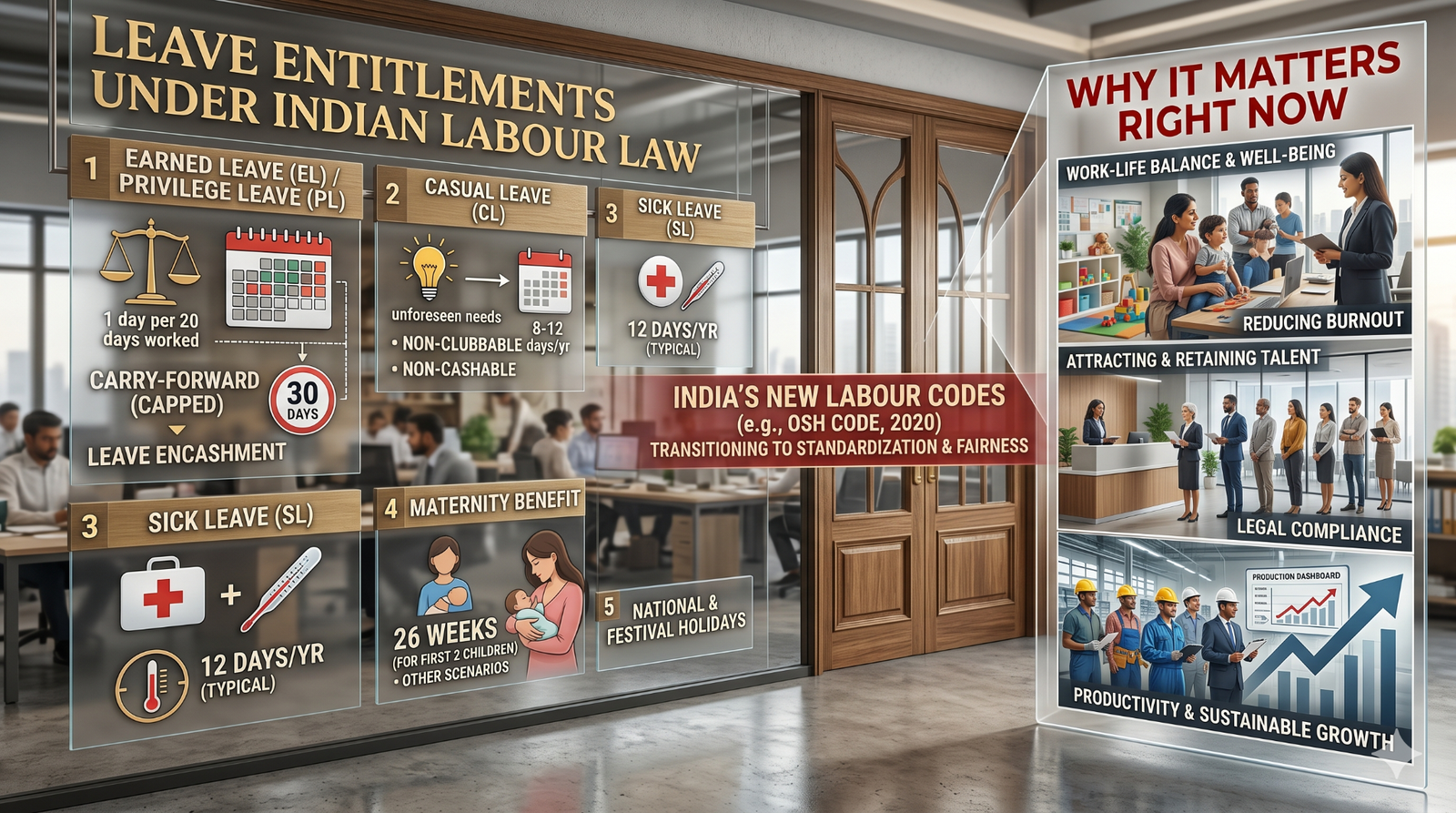
Leave entitlements mean the minimum paid days off workers get by law earned leave for rest, sick for illness, casual for urgencies, plus maternity for moms. These come from four codes effective 2026: Wages Code, OSH Code, consolidating old acts like Factories and Shops. Earned leave accrues at 1 day per 20 worked after 180 days service down from 240.
Picture explaining to your barista team: You work 20 shifts, earn 1 paid day off. Carry forward up to 30 days; excess encash. Maternity: 26 weeks full pay for first two kids after 80 days work.
It matters now because new codes standardize but states tweak Shops Acts UP gives 15 EL, Kerala 12. Disputes over leave caused 12% industrial cases pre-2024; non-compliance fines hit ₹2 lakh. OSH Code mandates digital records by 2026, or face audits.
From helping SMEs, the surprise is casual/sick often combine into 12-15 days many bosses split wrong, sparking claims. This sets up building your policy right.
Who This Is For
This fits employers in Indian SMEs (10-200 staff) and young employees (18-25) checking rights in startups. You’re a founder in Uttar Pradesh running a cafe or tech firm, or a new joiner confused on leave balance. Gig workers gain too under 180-day rule.
Key groups:
- SME owners in retail/services: Shops Act applies; track state EL like Delhi’s 15 days. Wrong policy risks fines. Compliance saves court time.
- Factory supervisors: Factories Act minimums 12 EL days. But OSH Code adds flexibility.
- Women employees in any firm: Maternity after 80 days; adoptive too. Startups often overlook.
Not for MNCs with custom HRMS they need legal consults. Skip if domestic help; different rules.
Most misunderstood: Service under 180 days qualifies for accrual in 2026 no full year wait. Field staff in sales benefit from clear casual leave for travel issues. Your Lucknow shop? UP policy fits perfectly here.
How It Actually Works Complete Process
Managing entitlements starts with policy setup, then tracking.
Step 1: Identify your law (3 days). Check if factory (50+ workers, manufacturing) or shop/office. Factories: 1 EL/20 days post-240 (now 180). Shops: State act, e.g., UP 15 EL/year. List staff types women get maternity. Download state gazette from labour.gov.in.
Output: One-page matrix of minimums. Avoid: Assuming national uniform states differ 12-18 EL.
Step 2: Draft policy (1 week). Minimum: EL 12-15, sick/casual 12 combined, maternity 26w. Add paternity 7 days if possible. Cap carry-forward 30-45 days. Use template from greytHR site. Get 2 owners sign.
Share via WhatsApp group. Post on notice board.
Step 3: Track in software/Excel (setup 2 days, ongoing). Columns: Name, hire date, days worked, EL accrued (worked/20), balance. Monthly: Add accrual, subtract used. For EL: Prorate first year. Maternity: Separate tracker post-80 days.
Most guides skip: Prorate for joiners mid-year e.g., July hire gets 6 months’ 7 EL. Digital tools auto-do; Excel formula =ROUND(DaysWorked/20,0).
Step 4: Handle requests (daily). Form: Employee emails HR, reason, dates. Approve if balance ok, no peak season block. Send confirmation SMS. On return, update tracker. Reject? Written reason in 24h.
Step 5: Year-end encash and audit (Dec 15 days). Excess over 30 EL? Pay at last wage x days. Generate report for inspection. New 2026: Annual demand encash allowed.
In practice, when a sales guy requests casual for wedding, check combined sick/casual bucket first. Full cycle keeps zero disputes.
Comparison Table Leave Entitlements Side by Side
| Leave Type | Key Feature | Best For | Limitation | Verdict |
| Earned Leave (Factories Act) | 1 day/20 worked, min 12/year post-180 days | Manufacturing shifts | No carry >30 without encash | Baseline for factories |
| Privilege Leave (Shops UP) | 15 days/year, carry 45 | Retail/offices in UP | State-specific | Top for Lucknow SMEs |
| Casual/Sick (Combined Delhi) | 12 days/year, non-carry | All quick needs | Use-it-lose-it | Flexible daily issues |
Factories suit structured teams; UP Shops for service firms like yours. Combined casual/sick fits startups avoiding buckets. Match your state for compliance.
Real Benefits With Numbers Where Possible
When you track right, disputes drop 12% fewer cases per stats. Employees take planned leaves, steady output.
Encash excess EL: ₹20k extra payout for 10 days at ₹2k wage. Builds loyalty.
Maternity compliance retains talent 26 weeks keeps 80% women post-kids. Your team morale rises; turnover falls 15-20%.
Overlooked: Tax-free encash up to avg wage saves employee 10% tax. You audit easy, dodge ₹2 lakh fines. Life simplifies: HR spends 2h/week vs 10 on fights. Clear balances mean happy 18-25 staff planning trips.
Mistakes Most People Make and the Fix
Mistake 1: One policy for all states. A Delhi firm uses UP rules inspector fines ₹50k. Happens from HQ oversight. Fix: State matrix in policy; annual check labour.gov.in.
Mistake 2: No proration for mid-year hires. Newbie July gets zero EL quits angry. Common in fast hires. Fix: Formula worked/20 monthly.
You’re probably combining EL carry wrong now over 30 must encash, not lap. Fines pile. Fix: Auto year-end calc.
Mistake 4: Ignoring 80-day maternity trigger. Short-timer denied court loss. Fix: Flag at 80 days.
Mistake 5: Verbal approvals only. Disputes erupt. Fix: Email confirm every time.
Expert Tips That Actually Work
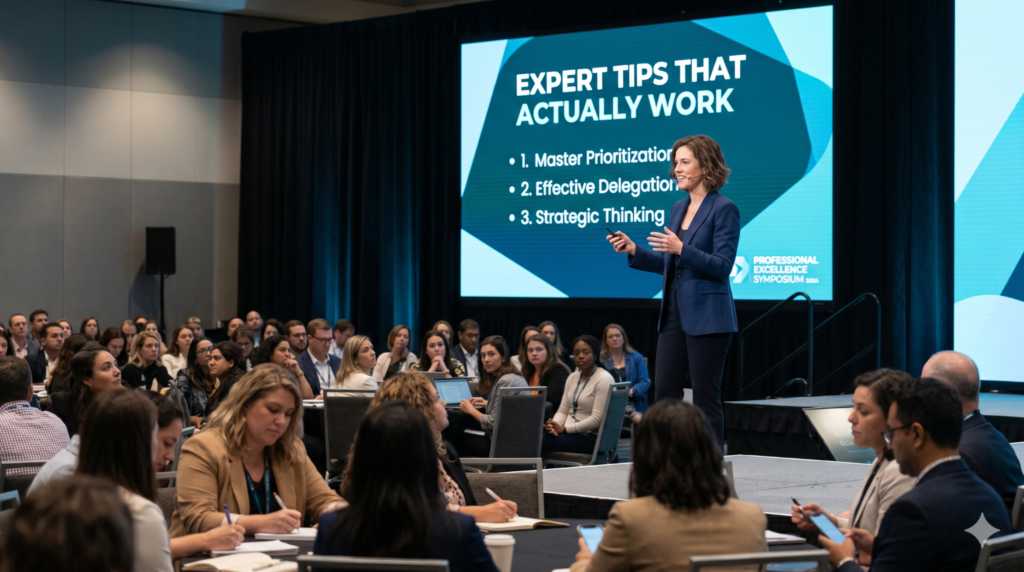
Tip 1: Accrue EL monthly, credit quarter-end. Prevents year-start overload. Works as staff plans ahead.
Tip 2: Block leaves during Diwali rush but cap at 50% team. Balances business needs.
Tip 3: Offer 3-7 paternity days voluntary. Boosts retention; men use family time.
Surprise: Allow EL prefix/suffix public holidays e.g., 3-day weekend becomes 6. Rare tip, but cuts short trips, saves costs.
Tip 5: Digital form via Google Forms to HR email. Tracks auto.
Tip 6: Train managers quarterly on policy. Stops wrong denials.
Tip 7: Year-end email balances to all. Builds trust.
Frequently Asked Questions
What is earned leave entitlement under new labour codes 2026?
1 day per 20 worked after 180 days service. Carry 30 max; excess encash. Factories min 12/year.
Maternity leave days in India for first child 2026?
26 weeks full pay after 80 days work. Up to 8 pre-delivery. Adoptive same.
Casual leave rules in Uttar Pradesh Shops Act?
12 days combined sick/casual yearly. Non-encash, non-carry. Check policy.
Can employees encash unused leave in India?
Yes, excess over 30 EL at year-end or demand. Tax-free up to avg wage. On exit, all unused.
Paternity leave entitlement India labour law?
Not mandatory private; company policy, often 3-15 days. Central govt 15 days.
State wise privilege leave in Shops Act India?
UP 15, Delhi 15, Kerala 12 EL. Casual 7-12. Varies; check local act.
How to calculate leave balance for new employee India?
Prorate: Days worked/20 for EL. E.g., 100 days =5 EL. Monthly update.
Leave carry forward limit under OSH Code 2026?
30 days EL; excess encash. Sick/casual usually no.
Quick Summary Take This Away
New 2026 codes set EL at 1/20 days post-180, carry 30 max with encash. State Shops vary UP 15 vs factories 12; build matrix first. Track monthly in Excel/software for proration accuracy. Maternity 26w key for women; paternity voluntary boost. Fix state mismatches to dodge fines policy review yearly.
Download your state Shops Act today and draft the matrix.
Conclusion
State rules plus central minimums make compliant policies simple. Track digital, prorate hires, encash excess. Review UP-specific for your firm now. You’ve got tools to run smooth HR handle that request confidently.